This Is Music 2026: A Record £8.4bn Year, and Why Working Musicians' Pay Barely MovedUK Music's annual report puts the industry at a record £8.4bn for 2025, while its creator survey found incomes up 0.2%. Here's what that means for people who play, book and run rooms.
The short version
This Is Music 2026, UK Music's annual report published on 17 November 2026, puts the UK music industry's contribution to the economy at a record £8.4bn for 2025, up 5.7% on 2024. The catch is pay: UK Music's survey of music creators, whose average earnings are about £30,000 a year, found income growth of 0.2% while consumer prices rose 3.6%.
Below: the full 2025 figures, what the report says about live music and grassroots rooms, what a gig pays (a solo act's UK pub median was £260 on our GX Index on 18 November 2026), UK Music's four asks of government, Liveline Cymru and the week's other news.
If you gigged through 2025, this week's headline may not look much like your bank statement. This Is Music 2026, the annual economic report from UK Music, the umbrella body whose members include the Musicians' Union, PRS for Music and PPL, says music added a record £8.4bn to the UK economy last year. I've been loading gear into pubs and small rooms since 2009, and the number I went looking for was not the £8.4bn. It was the one about the people who play.
The report is honest about the gap. Its own summary admits that the best-paid artists did very well in 2025, while typical creators' incomes fell behind prices. Below, I've set its figures beside what a gig pays on our own GX Index this month.
2025 figures · published 17 November 2026
This Is Music 2026, by the numbers
All six figures are from UK Music's This Is Music 2026 report (17 November 2026); its percentages are worked out on unrounded figures. The two income figures come from different surveys with different samples, and the report says they are not a like-for-like comparison.
- £8.4bnMusic's contribution to the UK economy (GVA) in 2025, a record
- 5.7%Growth in that contribution on £8.0bn in 2024
- £5.0bnMusic export revenue in 2025, up 3.6% on £4.8bn in 2024
- 220,500Full-time equivalent jobs in UK music in 2025, up 0.3%
- 14.4%Income growth reported for top and mid-level artists in 2025
- 0.2%Income growth in UK Music's Music Creators' Survey, with consumer prices (CPI) up 3.6%
All six figures are from UK Music's This Is Music 2026 report (17 November 2026); its percentages are worked out on unrounded figures. The two income figures come from different surveys with different samples, and the report says they are not a like-for-like comparison.
1. UK music industry growth in 2025: a record £8.4bn
UK Music's 2026 report values the music industry's 2025 contribution to the economy at £8.4bn in gross value added (GVA), the measure of what an industry adds to GDP. Beside that headline it tracks exports, jobs, how many people make music for a living and what music tourists spent, all against 2024.
The headline: £8.4bn, £5.0bn and 220,500 jobs
Export revenue reached £5.0bn, up 3.6% on 2024, and employment held at 220,500 full-time equivalent posts, up 0.3% on 219,770. That's a record contribution, a new high for exports and jobs broadly stable. The UK Music announcement credits major UK tours in 2025 by acts including Oasis, Coldplay, Beyoncé and Dua Lipa, international tours by UK acts, and number 1 albums from Sleep Token, Sam Fender and others. Recorded music exports also passed £800m for the first time, reaching £800.3m.
Creative Industries Minister Ian Murray welcomed the figures and pointed to the government's £45m Music Growth Package, which the report itself welcomes. The rest of the report explains why the headline is not the whole story.
The full set of 2025 figures
The table carries the rest of the report's year-on-year numbers, including two that rarely make the headlines: how many people make music for a living, and what music tourists spent. UK Music is clear that the tourism figure measures a wider footprint, from tickets to travel and hotels, and is not part of the £8.4bn. As in the report, the percentages are worked out on unrounded figures.
Music's contribution to the economy (GVA)
| 2024 | £8.0bn |
| 2025 | £8.4bn |
| Change | +5.7% |
Music exports
| 2024 | £4.8bn |
| 2025 | £5.0bn |
| Change | +3.6% |
Jobs in UK music (full-time equivalent)
| 2024 | 219,770 |
| 2025 | 220,500 |
| Change | +0.3% |
Music creators (full-time equivalent)
| 2024 | 157,800 |
| 2025 | 158,700 |
| Change | +0.6% |
Recorded music exports
| 2024 | £794.2m |
| 2025 | £800.3m |
| Change | +0.8% |
Music tourism spending (not part of GVA)
| 2024 | £10.0bn |
| 2025 | £11.2bn |
| Change | +11.3% |
This Is Music 2026: the 2025 figures against 2024
| Measure | 2024 | 2025 | Change |
|---|---|---|---|
| Music's contribution to the economy (GVA) | £8.0bn | £8.4bn | +5.7% |
| Music exports | £4.8bn | £5.0bn | +3.6% |
| Jobs in UK music (full-time equivalent) | 219,770 | 220,500 | +0.3% |
| Music creators (full-time equivalent) | 157,800 | 158,700 | +0.6% |
| Recorded music exports | £794.2m | £800.3m | +0.8% |
| Music tourism spending (not part of GVA) | £10.0bn | £11.2bn | +11.3% |
This Is Music 2026: the 2025 figures against 2024
Two things stand out to me. The number of music creators, the artists, performers, songwriters, composers, producers and engineers, rose by 900 full-time equivalents in a year. And while total jobs rose by 730, the report records a small decline in the full-time equivalent workforce of the live music sector itself. The money grew faster than the work.


2. Musicians' pay in This Is Music 2026: 14.4% against 0.2%
This Is Music 2026 uses two sources for what musicians earn, and they point in different directions. A survey of accountants and business managers found top and mid-level artists' income grew 14.4% in 2025. UK Music's own Music Creators' Survey, where average earnings are about £30,000 a year, recorded growth of 0.2%, while prices rose 3.6%.
Who the two surveys cover
The 14.4% comes from accountants and business managers who look after artists earning from £200,000 to over £1m a year, usually signed to established labels and publishers, with managers, agents and lawyers behind them. The 0.2% comes from self-reported income across artists, performers, songwriters, composers, producers and engineers, most of whom earn under £200,000 a year.
The report says the two datasets differ in who they cover and how they are collected, so they cannot show like-for-like earnings growth, but that they point to very different experiences. The Guardian's report on the launch described concerns over "a widening gulf in income" between the biggest names and the less well-known artists who make up most of the UK's music community.
What 0.2% means with prices up 3.6%
Consumer prices rose 3.6% in 2025, by the report's own figure, so an income that grew 0.2% fell in real terms. On average earnings of about £30,000, 0.2% is roughly £60 a year. Keeping pace with prices would have taken about £1,080. That gap is the story for anyone whose living is pub sets, weddings, teaching and session work stitched together.
The report puts it down to competition: anyone can put music out now, so standing out and building a career from it has got harder. Our musician salary report for 2026 looks at average pay and earnings in more depth.
3. Live music in 2025: big tours flourished, grassroots stayed hard
The live chapter of This Is Music 2026 opens with Oasis, Coldplay, Beyoncé and Dua Lipa. Music tourism spending reached £11.2bn in 2025, up 11.3%. Below stadium and arena level, the report says experiences were mixed, particularly for grassroots and independent festivals, and that rising costs cut many emerging and grassroots artists' net incomes.
Touring losses reached well-known artists too
The report cites Kate Nash, the BRIT Award-winning artist, who told MPs at a Commons select committee hearing this year that she lost £26,000 on her previous European tour and £13,000 on her previous UK tour. That is an established act with a following. For a band two rungs down, the same costs land on a smaller crowd. Our post on the Brexit touring report covers the EU side of those costs.
Small rooms and the National Insurance change
Many small music businesses told UK Music that the 2025 changes to employers' National Insurance, both the threshold and the rate, noticeably affected employment. The report flags a worry that this narrows the routes into the industry, naming local studios and small venues, management companies and small labels. Independent festivals have their own squeeze, with more suppliers now asking for 100% payment upfront.
If you run a grassroots room, none of this is news, but it matters that it now sits in the industry's own headline report. Its answer is support for the pathway from small venues and independent festivals to bigger stages: voluntary contributions to the LIVE Trust, the UK Artist Touring Fund run by the Featured Artists Coalition with the Music Managers Forum and the Musicians' Union, the Music Growth Package and PRS Foundation. Our post on the £1 grassroots ticket levy explains where LIVE Trust money comes from.
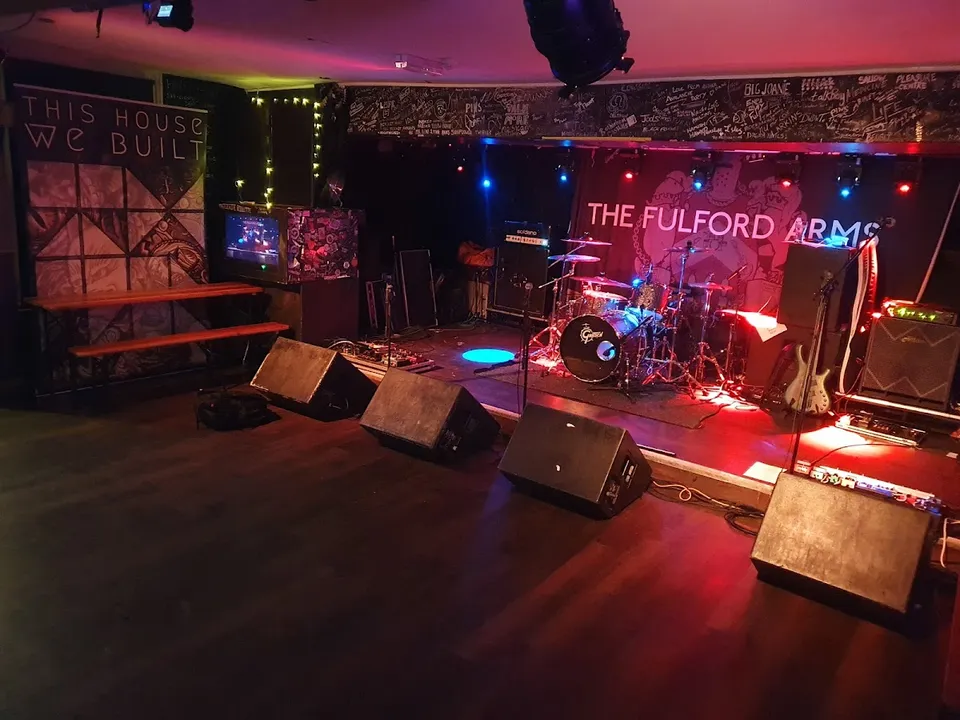
Recording studios: 74% flat or falling
The deep dive on recording studios is worth reading if you record as well as play. Its four numbers explain why UK Music wants a temporary business rates relief scheme for studios, matching the support available to film.
as reported in This Is Music 2026
UK recording studios in 2025
2%, 74% and 11% are from UK Music's annual survey of recording studios; 38% is from a Music Producers Guild survey. All four are published in This Is Music 2026 (17 November 2026).
- 2%Rise in studio revenues in 2025
- 74%Of studios reporting flat or falling revenue
- 11%Share of studio revenue taken by business rates, on average
- 38%Of studios in a Music Producers Guild survey receiving no business rates relief
2%, 74% and 11% are from UK Music's annual survey of recording studios; 38% is from a Music Producers Guild survey. All four are published in This Is Music 2026 (17 November 2026).
4. What a gig pays in November 2026: our GX Index
Our GX Index, the public index of what live music pays, puts the UK median for a solo act in a pub or bar at £260 a gig, from 729 observations read on 18 November 2026. A pub duo's median is £325 and a pub 3-4 piece's £350, paid per act and split between the players.
Gig fees by room and act size
The table sets the pub fees beside the better-paid ends of the trade. The per-player column is simple division of the median, before travel, kit and tax, and the method is on our methodology page.
Pub or bar, solo
| Median fee per act | £260 |
| Middle half of fees | £162 to £330 |
| Per player at the median | £260 |
| Observations | 729 |
Pub or bar, duo
| Median fee per act | £325 |
| Middle half of fees | £250 to £500 |
| Per player at the median | £162 |
| Observations | 122 |
Pub or bar, 3-4 piece
| Median fee per act | £350 |
| Middle half of fees | £275 to £600 |
| Per player at the median | £88 to £117 |
| Observations | 488 |
Pub or bar, 5+ piece
| Median fee per act | £525 |
| Middle half of fees | £375 to £1,003 |
| Per player at the median | £105 or less |
| Observations | 395 |
Corporate event, solo
| Median fee per act | £388 |
| Middle half of fees | £281 to £474 |
| Per player at the median | £388 |
| Observations | 199 |
Wedding, 3-4 piece
| Median fee per act | £1,163 |
| Middle half of fees | £812 to £1,582 |
| Per player at the median | £291 to £388 |
| Observations | 1,665 |
GX Index UK medians by gig type and act size, read 18 November 2026
| Gig type and act | Median fee per act | Middle half of fees | Per player at the median | Observations |
|---|---|---|---|---|
| Pub or bar, solo | £260 | £162 to £330 | £260 | 729 |
| Pub or bar, duo | £325 | £250 to £500 | £162 | 122 |
| Pub or bar, 3-4 piece | £350 | £275 to £600 | £88 to £117 | 488 |
| Pub or bar, 5+ piece | £525 | £375 to £1,003 | £105 or less | 395 |
| Corporate event, solo | £388 | £281 to £474 | £388 | 199 |
| Wedding, 3-4 piece | £1,163 | £812 to £1,582 | £291 to £388 | 1,665 |
GX Index UK medians by gig type and act size, read 18 November 2026
How many gigs make £30,000?
About 115 a year for a solo act at the £260 pub median (GX Index, 18 November 2026), set against UK Music's average creator earnings of about £30,000 and before travel, kit and tax. A pub duo splitting the £325 median would need about 185 gigs a year to gross £30,000 each. The arithmetic is blunt. That's why so many working musicians mix the work: pub sets in the week, weddings and corporate dates at the weekend, teaching and session work in between.
It's also why the 0.2% matters. A fee that stands still while prices rise is a pay cut. The pub 3-4 piece median printed £350 in our October 2026 GX Index report and again in this week's read, though as that report explained, much of that steadiness reflects members restating their asking prices. Check the rate for your own act and city on the GX Index, or price a quote with the gig rate calculator.
5. What UK Music is asking the government for
This Is Music 2026 ends with four recommendations to government: rule out any AI copyright exception that lets developers use music without permission, remove barriers to EU touring and exports, put music at the heart of local economic growth across the UK, and secure sustainable long-term funding for the BBC's music role.
EU touring before the 20 November summit
The touring ask is the most time-sensitive. UK Music wants structured UK-EU dialogue on touring and exports, interim help with the cost of ATA carnets and new EU customs charges on direct-to-consumer record sales, and for the UK to join Agora EU, the successor to Creative Europe. UK Music's chief executive Tom Kiehl used the launch to press the government to act at the UK-EU summit on 20 November.
The Musicians' Union reported on 18 November that its head of international joined UK Music, MPs and peers at a Westminster lunch on 12 November to push for touring to be on the summit agenda. The MU's own write-up of the report names EU touring, unregulated AI and support for grassroots artists and bands as the challenges behind the headline numbers.
Agent of Change, business rates and a visitor levy
The local growth recommendation is the one closest to grassroots rooms. It asks central and devolved governments to work with mayors and councils to build music into economic strategies, ringfence part of any overnight visitor levy for culture, and use transport, planning and licensing policy, including the Agent of Change principle, to support music. Agent of Change means whoever arrives second manages the noise, so the developer of new flats beside an established venue deals with soundproofing, not the venue.
It also asks for targeted support for small businesses that invest in music and the temporary business rates relief for recording studios mentioned above. For venues in Wales, our post on the Welsh business rates cut covers what is already coming.
AI and the BBC
The other two asks are about where musicians' income comes from. On AI, UK Music wants no new copyright exception for AI developers and wants the government to bring forward its consultation on digital replicas. On the BBC, the report calls it the UK's single largest civilian employer and engager of musicians, with over 19,500 musician and composer contracts a year, and asks for sustainable funding through the Charter review.


6. Also this week: Liveline Cymru and a Fender night for MVT
Two other stories this week matter for grassroots rooms. Music Venue Trust and Creative Wales launched Liveline Cymru, a Wales-only version of the Liveline touring fund that opens for expressions of interest on 20 November, and Fender announced a show with Music Venue Trust at Blondies in London on 1 December.
Liveline Cymru opens on 20 November
Music Venue Trust announced on 17 November that Liveline Cymru, a Wales-specific extension of the UK-wide Liveline initiative, is funded by the Welsh Government through Creative Wales. It is open to grassroots music venues, independent promoters, in-house programmers and artist representatives, including managers, booking agents and artists themselves, and applications are assessed by a board of Welsh music industry professionals.
MVT's announcement names two support streams: a guarantorship scheme that underwrites up to 80% of approved losses on eligible shows, so venues and promoters keep the profit from the nights that work, and a Local Scene Development Fund for regular programming, venue hire support and promoter training. The Liveline Cymru page itself says the scheme will use three of Liveline's four established streams. Expression of interest forms open on Friday 20 November on the Liveline Cymru page, and eligible applicants will be invited to apply from 1 December. Our guide to the UK-wide Liveline Fund explains how the original scheme works, and our Cardiff venue directory lists the city's rooms.
Fender and MVT at Blondies on 1 December
Fender announced "The One. For London.", a partnership with Music Venue Trust celebrating the city's grassroots venues. It starts on 1 December with a show by the rock band unpeople at Blondies, hosted by BBC Radio 1's Alyx Holcombe, and the night will feature in a short Fender documentary about grassroots music communities. Fender presents it as part of its global "The One. For All." platform. An instrument maker putting its name to a small room is welcome, and it counts for most when it keeps coming back.
Stay in the loop
Get updates when we publish new data, tools, or guides. No spam. Privacy.
7. What This Is Music 2026 means for you
Here is how the report reads from each side of a booking.
8. What to do next
If you are a working musician, read the full This Is Music 2026 report (PDF). The employment chapter and the case study by the artist and composer Belle Chen, who describes grassroots venues as fundamental to her development, are the parts written about you. If you run a room in Wales, put 20 November in the diary for Liveline Cymru. And if the 0.2% rings true, check your own fee against the GX Index and our guide to how much gigs pay in the UK.
Venues and organisers can find acts on artist profiles, and players can find rooms in the UK venue directory. I'll come back to this when the outcome of the UK-EU summit is clear and when Liveline Cymru makes its first awards.
Frequently Asked Questions
Accuracy
We check the facts in this article each time it is refreshed. If anything on this page is out of date, email support@gigxchange.app and we will update it promptly.
Sources & verification
- annual economic report from UK Music ukmusic.org
- UK Music announcement ukmusic.org
- The Guardian's report on the launch theguardian.com
- Musicians' Union reported musiciansunion.org.uk
- MU's own write-up of the report musiciansunion.org.uk
- Music Venue Trust announced musicvenuetrust.com
- the Liveline Cymru page livelinefund.uk
- Fender announced fender.com
Related reading
- Wales 30% Business Rates Cut: What Venues Save in 2027
- Brexit Touring Report: £208m Lost, EU Shows Down 21%
- UK Artist Touring Fund Round Two: £8k Top-Ups Explained
- Liveline Fund 2026: 4 Streams, Up to 80% Loss Cover
- UK-EU Summit 2026: What It Means for Touring Musicians
Annual refresh commitment
This guide was published on 18 November 2026 and is refreshed every November. The UK-EU summit outcome, the first Liveline Cymru awards and our GX Index fees all move between updates, so annual verification matters. We re-verify every reference, recommendation, and data point once a year. Next scheduled refresh: November 2027. If any claim is outdated before then, email support@gigxchange.app and we aim to update it within one working day.