How to Find and Book Live Music for Your VenueFor pub landlords, bar operators and venue bookers: from finding the right act to filling the room
TL;DR: the venue booking system
Find acts in four places (booking platforms, open mics, referrals, local groups). On the GX Index, refreshed 22 November 2026, a solo act at a UK pub or bar has a typical range of £162-£330 and a 3–4 piece band £275-£600. Put the fee, set times, kit and cancellation terms in writing, and we’d pay a 25–50% deposit when the booking is confirmed. Through GigXchange, venues settle privately or pay a deposit and the balance before the gig, both held with Stripe, while event organisers pay the whole fee up front. Promote a regular night over three weeks and keep a list of dep acts for cancellations.
We suggest booking a regular pub slot 2–4 weeks ahead and a one-off headline gig 6–12 weeks ahead. Agencies typically take 15–20% commission (Vocalist); GigXchange takes no commission from the act and adds a 5% booking fee when you pay through it. Running a pub? See live music for pubs. For UK-wide fees and the licensing rules in every nation, see how to book live music in the UK.
You’ve got a room, a free night and a bar that could use the trade, and you need an act who turns up, plays well and brings people with them. This guide is the whole booking job for a UK venue: finding acts, agreeing the fee, getting it in writing, paying, filling the room and coping when something goes wrong.
I’ve gigged on the UK circuit since 2009, from sticky-floor pubs to packed rooms, and the venues that book well treat it as a routine rather than a scramble. Small rooms can’t carry many bad nights: in its 2023 report the Music Venue Trust found the main cause of grassroots venue closures was a lack of financial viability.
Booking a one-off instead, such as a party or a wedding? How to book live music for any event covers that, with booking a band for a corporate event for work nights and booking by performer type for picking the kind of act. If licensing is on your mind, start with the licence guide for pubs and venues.
1. Finding the Right Musicians
Good acts come from looking in four places at once, not from waiting for whoever emails you. Word of mouth and the same few acts on rotation work for a while, but that pool shrinks as acts move on, split up or stop answering.
These are the four channels to run side by side:
Channel 1: Peer-to-peer booking platforms
On GigXchange you can browse artist profiles, and with a free venue account search them by city, genre, act type, fee range and a free date. A profile shows the act’s fee range, set length, line-up, a video and an availability calendar, so you know the basics before you message them. For London, browse bands to book in London.
Channel 2: Local open mics
Go to two or three open mic nights near you. You see acts play to a real room, with no studio polish to hide behind. Open mic hosts often know many of the working musicians nearby, so tell them what you’re looking for.
Channel 3: Referrals from your existing performers
Musicians know musicians. If there’s an act you love, ask who else they’d recommend: they’ve played your room and they know your crowd, which makes their tip one of the more trustworthy you’ll get. Many experienced acts can name a few others straight away.
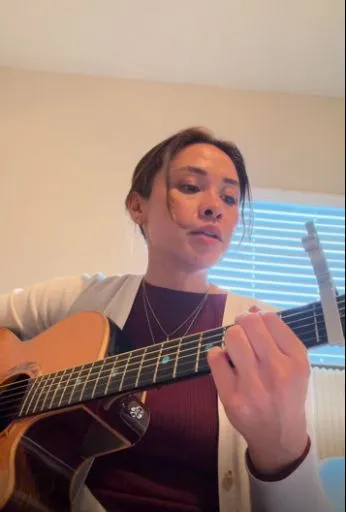
Channel 4: Local musician Facebook groups
Many UK towns and cities have an active musician Facebook group. Post what you need (genre, date, budget range, set length) and let acts come to you, then check each one’s profile and clips. It suits one-off bookings and nights that need a particular genre.
We’d keep a rolling shortlist from all four channels, so there’s always someone you could book next. For a fuller walkthrough, read our guide to finding and hiring local bands.
2. The Hiring Process Step by Step
Booking an act comes down to seven steps, from writing the brief to a check-in the week before. A lot of booking trouble starts with vague messages and details nobody confirmed, and the steps below close those gaps.
How far ahead. We suggest booking a regular pub slot 2–4 weeks ahead, a solo act 2–6 weeks and a one-off headline gig 6–12 weeks, with a festival slot 3–9 months out. For a wedding, a work do or a private party, the any-event guide and the corporate event guide give their own lead times.
- Define your requirements. Genre, size of act (solo, duo or band), set length (one long set or two shorter ones), budget per gig, how often (weekly, fortnightly or monthly) and the night you want. Write it down before you start looking.
- Shortlist 5–10 acts. Draw them from the four channels. For each, check a recent live video, their reviews, what kit they bring against what you provide, and whether their music suits your crowd.
- Make contact with a clear brief. Give the venue, the date, the set length and your budget. A specific brief gets a straight answer, where “are you available for a gig?” gets a question back.
- Negotiate if needed. Start from the fee ranges in the budget section below and the act’s own fee range. If the money’s tight, book a solo act or a duo rather than asking a band to cut its fee.
- Confirm in writing. Fee, date, times, set length, load-in time, kit, cancellation terms and when you’ll pay. If you book through GigXchange, the agreement comes with the booking; see the booking contract generator.
- Pay the deposit. Pay it when the booking is confirmed, by bank transfer or through GigXchange, and keep the receipt.
- Check in a week before. A quick message: “Just confirming Saturday, load-in at 6pm, first set at 8pm. Any questions?” It catches many problems while there’s still time to fix them.
For the common mistakes venues make in this process, read what venues get wrong about booking live music.
3. Fees and Budgets: What to Expect
What you’ll pay depends on the size of the act and the kind of night, and the GX Index has the going range for each. On the GX Index, refreshed 22 November 2026, these are the typical UK ranges (the 25th to 75th percentile of fees):
- Solo act, pub or bar: £162-£330
- Duo, pub or bar: £250-£500
- 3–4 piece band, pub or bar: £275-£600
- 5+ piece band, pub or bar: £375-£1,003
- 3–4 piece band, wedding: £812-£1,582
- Corporate event: a solo act £281-£474 and a 5+ piece band £1,025-£1,708; the corporate duo and 3–4 piece cells have too few fees to print a range yet
- DJ set: see our full DJ hire guide
Your own city can sit above or below these. The Musicians’ Union national gig rates recommend at least £167.16 per musician in a group, for a pub or club gig of up to three hours.
Value, not just cost
What you get back matters as much as what you pay. A cheaper act playing to an empty room can cost you more, in bar takings and staff time, than a dearer band that brings its own crowd. So weigh the set length, the kit they bring, the people they draw and whether they’ll help promote the night.
For fees by city, region and size of act, check the GX Index, and for the act’s side of the same question see how artists price a gig. For a deeper look at the fee question, read how much should you pay a live band in the UK.
Stay in the loop
Get updates when we publish new data, tools, or guides. No spam. Privacy.
4. Contracts and Payments
A booking you can point to in writing heads off a lot of arguments before they start, and an email both sides reply to is enough to begin with. The agreement checklist below covers what to put in it, and the payment section after it covers when the money moves.
What a booking agreement should cover
- When the act plays. The date, load-in and set times. For example: “Saturday 20 March 2027, load-in 18:00, two 45-minute sets from 20:00.”
- Fee and payment schedule. The total, the deposit and when the balance is due. For example: “£400 in total. Deposit £100, paid 1 February 2027; balance £300, paid by 19 March 2027.”
- Equipment. Who provides the PA, microphones, stage and lighting? If the act brings its own PA, check it suits your room and how long setting up takes.
- Sound engineer. Does the venue provide one, or does the act bring their own? If someone has to be hired, agree who books and pays them.
- Cancellation terms. How much notice each side gives, and what happens to the money. On a booking paid through GigXchange the rules are set: if you cancel more than 28 days before the gig, what you paid comes back (not the booking fee); 8 to 28 days, half goes to the act; 7 days or fewer, it all goes to the act.
- Promotion duties. Agree who posts what and when. Our venue promotion guide has the full cross-promotion plan.
- Parking and access. It matters more for bands with heavy kit. Can they park by the back door? Is there a loading bay?
On GigXchange, a booking between two members comes with one booking agreement, built from what you agreed. It covers the date, performance times and set length, the fee, who provides the PA, lights and backline, and any special requirements. Each side signs it in the app and can download it as a PDF (see the booking contract generator).
Payment timing
We’d pay a deposit of 25–50% of the fee when the booking is confirmed and the balance on a date you both agree in writing. Cash on the night with nothing on paper leaves both sides exposed if anything goes wrong.
Through GigXchange it depends on who’s booking. Venues and promoters settle privately, or through GigXchange with a deposit at booking and the balance 48 hours before the gig, both held with Stripe; the booking fee is in the comparison table below.
An event organiser booking a party or a wedding pays the whole fee through GigXchange up front, held with Stripe. Money paid through GigXchange is normally released to the act five days after the gig.
5. Promoting Your Nights
Booking a good act gets you started, and getting people through the door is the rest of the job. Our separate guide goes deep on it (how to promote live music at your venue), and here are the essentials.
The 3-week promotion timeline
- Week 3: Announce the gig. Create a Facebook event, post on Google Business Profile and share on Instagram. Tag the act as co-host.
- Week 2: Share a video clip from the act’s last gig; a clip often travels further than a poster.
- Week 1: Email your mailing list. Send it to local press listings and “what’s on” pages, and post in one to three local Facebook groups.
- 48 hours: A reminder across your channels.
- Day of: A final Instagram Story, and signs in the venue (A-boards, chalkboards, table cards).
This plan suits a regular night. A new or one-off ticketed gig needs longer, and we’d start promoting it 8 weeks out.
The act’s own followers can make a real difference to the crowd. A mailing list of locals who’ve asked to hear about your gigs is worth building, because it reaches people who already like your nights. For the full plan, including break-even maths, read the complete promotion guide or our editorial on promoting live music nights.
6. Handling Problems: Cancellations, No-Shows, Bad Sound
The four problems, and the fix for each
You can head off each of them before the night with a dep list, a check-in a week out, a proper soundcheck and a volume limit in writing.
7. Building an Online Presence for Your Venue
Artists who can’t find your venue online can’t pitch to it, so make it obvious that you host live music and how to get in touch. A website and an Instagram account are a start, but plenty of venues don’t say anywhere that they book acts.
4 things to set up
- Google Business Profile. Claim it, verify it and post each gig as an update. It’s often how people searching “live music near me tonight” find a venue.
- A venue profile on a booking platform. Set up a free venue account on GigXchange and fill in your venue type, capacity, budget and the kit you have (PA, lights, a sound engineer, backline).
- A “Live Music” page on your website. A simple page with upcoming dates, past acts and a booking email is enough. Search engines pick it up, and artists check it before they get in touch.
- Active social media. Post after every gig: photos, short video clips and a thank-you that tags the act. It shows audiences and artists alike that you book live music regularly.
With all four in place, more of the right acts tend to come to you, so you spend less time searching and more time choosing.
8. Choosing a Platform: Agency vs Marketplace vs Direct
Agency vs marketplace vs direct, side by side
There are three ways to book: through an agency, on a marketplace like GigXchange, or direct from your own contacts, and each suits a different kind of booking.
How it works
| Traditional agency (Alive Network, Encore Musicians) | You tell the agency what you need, it puts acts forward and you choose. The agency sits between you and the act. |
| Peer-to-peer marketplace (GigXchange) | You find the act yourself on the platform, message them and send an offer in the chat. A booking between members comes with a booking agreement you both sign in the app. |
| Direct booking (your own network) | You contact musicians yourself by email, phone or social media. No platform or agency is involved. |
What it costs
| Traditional agency (Alive Network, Encore Musicians) | UK booking agencies typically charge 15–20% commission (Vocalist). Alive Network and Encore Musicians each publish their own commission terms on their sites. |
| Peer-to-peer marketplace (GigXchange) | GigXchange takes 0% of the artist's booking fee. 5% on top only when you pay through GigXchange – 0% when you settle privately. |
| Direct booking (your own network) | None |
Best for
| Traditional agency (Alive Network, Encore Musicians) | One-off weddings and corporate events, or a venue happy to hand the whole process to someone else. |
| Peer-to-peer marketplace (GigXchange) | Regular weekly nights, building relationships with acts, and seeing exactly what you pay. |
| Direct booking (your own network) | A venue with a settled network of reliable local acts. |
Trade-off
| Traditional agency (Alive Network, Encore Musicians) | Higher cost and less direct control. The agency’s list of acts is finite. |
| Peer-to-peer marketplace (GigXchange) | You do the vetting and choosing yourself. The act’s video, fee range and reviews on its profile help. |
| Direct booking (your own network) | You write any agreement yourself, and the money goes straight between you and the act. You’re limited to the acts you already know. |
Agency, marketplace and direct booking compared, checked November 2026. Each cost comes from the source named in its cell.
| The model | Traditional agency (Alive Network, Encore Musicians) | Peer-to-peer marketplace (GigXchange) | Direct booking (your own network) |
|---|---|---|---|
| How it works | You tell the agency what you need, it puts acts forward and you choose. The agency sits between you and the act. | You find the act yourself on the platform, message them and send an offer in the chat. A booking between members comes with a booking agreement you both sign in the app. | You contact musicians yourself by email, phone or social media. No platform or agency is involved. |
| What it costs | UK booking agencies typically charge 15–20% commission (Vocalist). Alive Network and Encore Musicians each publish their own commission terms on their sites. | GigXchange takes 0% of the artist's booking fee. 5% on top only when you pay through GigXchange – 0% when you settle privately. | None |
| Best for | One-off weddings and corporate events, or a venue happy to hand the whole process to someone else. | Regular weekly nights, building relationships with acts, and seeing exactly what you pay. | A venue with a settled network of reliable local acts. |
| Trade-off | Higher cost and less direct control. The agency’s list of acts is finite. | You do the vetting and choosing yourself. The act’s video, fee range and reviews on its profile help. | You write any agreement yourself, and the money goes straight between you and the act. You’re limited to the acts you already know. |
Agency, marketplace and direct booking compared, checked November 2026. Each cost comes from the source named in its cell.
For a venue running regular live music (weekly pub gigs, a monthly jazz night, a summer festival), in our view the marketplace route tends to fit best. You keep control of who plays, deal with the act yourself and pay no agency commission; the GigXchange fee is in the table above. For a one-off where you want someone else to handle everything, the agency route can be worth what it costs.
For the pub side of this in more depth, read our guide to booking live music for your pub or bar.
Licensing: what you need to know
In England and Wales most pubs and bars need no extra licence for live music in the day and evening, thanks to the Live Music Act 2012. Live music needs no entertainment licence between 8am and 11pm for an audience of 500 or fewer on alcohol on-licensed premises (GOV.UK Live Music Act guidance).
Outside those hours or limits, your premises licence has to cover it, or for a one-off you can give a Temporary Event Notice (TEN). A TEN costs £21, must be given at least 10 clear working days before the event and covers at most 499 people at any one time, staff included. Scotland has its own law, the Licensing (Scotland) Act 2005, and Northern Ireland has its own rules, so check with your local licensing authority.
Separately from the council’s permission, a business playing or performing music will usually need TheMusicLicence from PPL PRS. The licensing checker tells you whether you also need council permission. For a full breakdown, see our UK live music licence guide.
See the other side
The same booking, from the other seats.
 ArtistHow to Price Your GigMU rates, market percentiles from the GX Index, fee ranges by gig type, and when to accept a door split.
 AgentHow to Pitch Acts to VenuesWhat venue bookers look at, the pitch email structure, and the 3-5-10 day follow-up rhythm.
 PromoterPutting On Your First EventVenue hire, artist fees, licensing, promotion, and day-of logistics: the first-timer checklist.
Frequently Asked Questions
Accuracy
All claims in this article reflect UK law and industry practice as of the refresh date shown above. Legal circumstances vary; this guide is not legal advice. Verify current details with a qualified professional where money or contracts are at stake. If any factual claim on this page is outdated, email support@gigxchange.app and we will update it promptly.
Sources & verification
- Music Venue Trust musicvenuetrust.com
- Musicians’ Union national gig rates musiciansunion.org.uk
- Google Business Profile google.com
- Vocalist vocalist.org.uk
- Live Music Act 2012 legislation.gov.uk
- GOV.UK Live Music Act guidance gov.uk
- Temporary Event Notice (TEN) gov.uk
- Licensing (Scotland) Act 2005 legislation.gov.uk
- PPL PRS pplprs.co.uk
- Music Venue Trust musicvenuetrust.com
- UK Music, This Is Music 2025 ukmusic.org
Related reading
- Promote Live Music at Your Venue: 8-Channel UK Playbook
- How to Compare Bands Before You Book: UK Checklist
- How Much to Charge for a Gig UK: Solo Pub Fees £162-£330
- Your First Live Music Event: £500-£1,500 Budget & Checklist
- Hire a Band for a Pub or Bar: UK Fees £162-£600
- UK Live Band Cost 2026: Fees by Band Size + Event
- How to Find Live Music for Your Venue: 6 UK Sources
- 3 Booking Mistakes UK Venues Make: Save £50, Lose £500
- Live Music Licence for Pubs UK 2026: PRS & PPL Costs
- GigXchange glossary
- City-by-city booking guides
Annual refresh commitment
This guide was published on 22 March 2026 and is refreshed every March. We re-verify every reference, recommendation, and data point once a year. Next scheduled refresh: March 2027. If any claim is outdated before then, email support@gigxchange.app and we aim to update it within one working day.