
Hire Live Music for Festival Season Bands
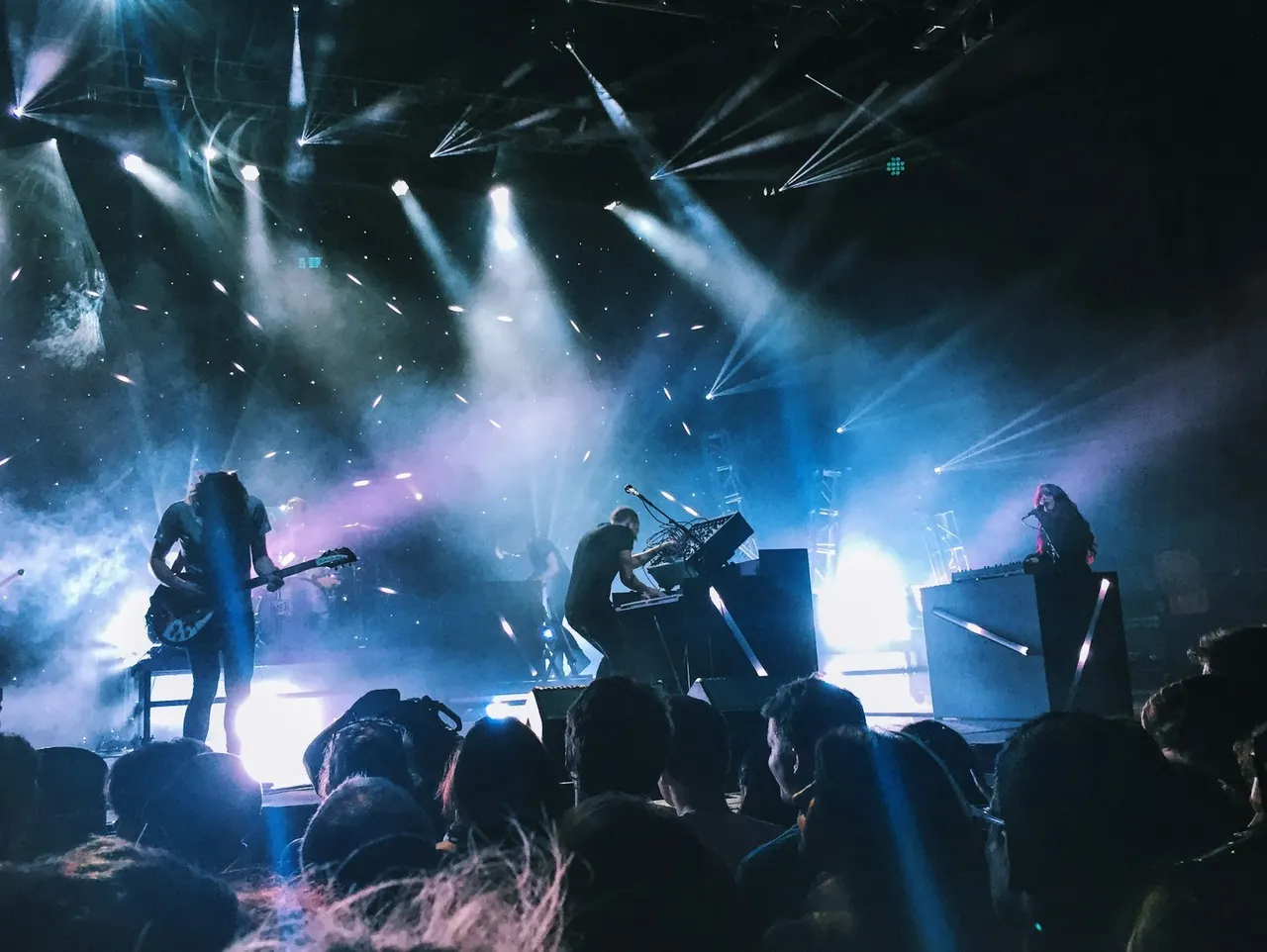
The UK festival circuit (May–September) is the highest-volume live music booking window in the calendar — Glastonbury, Latitude, Boomtown, BST Hyde Park, plus thousands of regional and town festivals. Booking for festival season is a different beast: artist representation, fee structures, and lead times are unique to the format.



Last updated: 17 September 2026
Quick Overview
Festival booking is structurally different from every other live-music category. The booking flow runs through stage programmers, not direct venue contact — most festivals have a head booker, multiple stage curators, and an artist relations team. The booking timeline is 6–12 months ahead for major festivals (Glastonbury locks bills 9–11 months before the event), 3–6 months for mid-tier, and 4–10 weeks for small grassroots stages. Acts at the higher tiers are represented by booking agents (Coda, WME, Paradigm, X-ray Touring) — direct booking only happens at the £2,000-and-below tier where independent artists are managing themselves. The fringe and town festival circuit is more accessible: hundreds of UK summer festivals (food festivals, town carnivals, country shows, jazz/folk/world music programmed events) all need acts and book on shorter lead times. For booker-side perspective, see the bands for hire in Brighton (festival capital), Edinburgh (Fringe) and Bristol guides — all major festival markets.
Booking Playbook
. Here’s the practical version, not the marketing one.
When to Book
Major festivals (Glastonbury, Reading/Leeds, Latitude, BST Hyde Park): bills lock 6–11 months ahead. Direct booking is essentially impossible at this tier — acts are represented by booking agents working with festival programmers. Mid-tier festivals (regional 2,000–15,000 attendee events): book 3–6 months ahead through stage programmer or head booker. Small grassroots and town festivals: 4–10 weeks ahead is realistic for acts in the £200–£800 fee range. Edinburgh Fringe (August): comedy, theatre and music acts book venue slots 6–9 months ahead — this is venue-led, not festival-promoter-led. Late additions and last-minute slots happen at all tiers when acts pull out — these typically pay 50–80% of the original slot fee but offer high exposure.
What Format Works
Festival booking format depends on the act tier and stage. For independent artists booking directly (£200–£800 fee tier): typical slots are 30–45 minutes on a smaller stage, with the festival providing PA, monitors, and basic backline. For mid-tier acts (£1,000–£3,000): 45–60 minute slots, fuller technical rider, hospitality. Festival format adapts the act: the band needs a tighter set than a standard wedding/function gig — every minute counts, no banter padding, no "one more song" extensions. Strongest festival sets: 8–12 songs, mostly upbeat, varied tempo, ending on a recognised crowd-pleaser. Acts that consistently win festival rebookings: tight live shows, strong stage presence, reliable timing, easy collaboration with festival sound engineers. The fringe circuit (Edinburgh Fringe, Brighton Fringe) is venue-based not stage-based — acts book a venue slot and self-promote through festival listings. Different format, different success metrics.
Mistakes to Avoid
1. Treating festival booking like a wedding booking. Festival bookings run through programmers and agents at the higher tiers. Direct artist contact only works at the £200–£800 grassroots tier. 2. Underestimating the technical rider. Festivals expect a clear tech rider (input list, monitor mix, stage plan) — generic "we'll work it out" loses bookings. 3. Set-length blowouts. Festival timing is unforgiving — running 5 minutes over your slot means the next act has to compress. Repeat offenders don't get rebooked. 4. Travel and accommodation expectations. Higher-tier festival fees include travel and hospitality; mid-tier may not. Confirm what's included at the contract stage. 5. Wrong setlist for stage tier. A 12-song singalong set works for a 5,000-capacity main stage; the same set bombs in a 200-capacity acoustic tent. Match repertoire to stage. 6. Skipping the contract at the small-festival tier. Verbal-only festival bookings disappear when something more lucrative comes in.
What Does It Cost?
Realistic 2026 fees in the UK. Premium tier reflects flagship venues, larger ensembles, and peak-date demand.
Setlist & Repertoire Suggestions
What audiences actually want to hear, not what looks good on a press kit.
- Mr Brightside — The Killers (single most-played festival song in the UK)
- Don't Look Back in Anger — Oasis (Manchester / North West festivals)
- Wonderwall — Oasis
- Sex on Fire — Kings of Leon
- Use Somebody — Kings of Leon
- Yellow — Coldplay
- I Bet You Look Good on the Dancefloor — Arctic Monkeys
- Mardy Bum — Arctic Monkeys
- Take Me Out — Franz Ferdinand
- Chelsea Dagger — The Fratellis

- Bohemian Rhapsody — Queen
- Don't Stop Believin' — Journey
- Sweet Caroline — Neil Diamond
- Dancing Queen — ABBA
- Sing — Travis
- Country Roads — John Denver
- Rebellion (Lies) — Arcade Fire
- Heads Will Roll — Yeah Yeah Yeahs
- Float On — Modest Mouse
- Sex on Fire — Kings of Leon
- Crystalised — The xx
- Wagon Wheel — Old Crow Medicine Show / Nathan Carter
- Galway Girl — Ed Sheeran
- Cup of Coffee in the Big Time — Dolly Parton
- Take Me Home, Country Roads — John Denver
- The Cave — Mumford & Sons

- Don't Stop Me Now — Queen
- Mr Blue Sky — ELO
- Mr Brightside — The Killers
- Valerie — Amy Winehouse / Mark Ronson
- Hey Ya — OutKast
- Praise You — Fatboy Slim
- Born Slippy — Underworld
- Setting Sun — The Chemical Brothers (live)
- Insomnia — Faithless
Venues & Spaces That Book This Season
Real examples of UK venues, hotels, and event spaces that programme this kind of booking.
- Glastonbury — the UK's defining festival; Pyramid, Other, West Holts, Park, Acoustic stages.
- Reading & Leeds — largest rock/indie festival, multi-stage.
- Latitude, End of the Road, Green Man — boutique premium.
- BST Hyde Park, All Points East — London headline events.
- TRNSMT Glasgow, Boardmasters Cornwall — regional flagships.
- Boomtown, Beautiful Days, Cambridge Folk Festival — themed and folk-leaning.
- Bestival, Wireless, Parklife — dance and pop.
- Field Day, In The Park — independent boutique.
- Town festivals across UK (Stoke Folk Festival, Cheltenham Jazz, Whitby Folk Week, etc.) — hundreds of regional events.
- Food + music festivals (Foodies Festival circuit, town food markets with music programming).
- Country show music programming (Royal Welsh Show, Highland Show, county fairs).
- Beer festivals and craft brewery events with stage programming.
- Edinburgh Festival Fringe — venue-booked, not festival-booker-led.
- Brighton Fringe, Buxton Fringe — same model.
- Camden Crawl, Liverpool Sound City — multi-venue festivals booking through individual venues.
Booking Options Compared
Festival booking is the most competitive category in UK live music — supply meets demand at every tier and the gap between booked-acts and unbooked-acts comes down to professional reliability. Direct booking on GigXchange works at the grassroots tier; major festivals require agent representation.
Platform Comparison
What matters when you're the one doing the hiring.
| Feature | GigXchange | Encore | GigPig | Alive Network | Lemonrock |
|---|---|---|---|---|---|
| Commission (you pay) | 0–5% (transparent) | Included in quote (~20%) | Free for artists | Included in quote (~20%, varies) | Free |
| Talk to the band first? | Yes — message before booking | Mediated through platform | After they accept | Mediated through agency | Yes — direct contact |
| Hear them play? | Audio tracks + videos on profile | Sample clips | Videos | Promo videos | External links only |
| See real reviews? | Two-way verified reviews | Client reviews only | Two-way | Client reviews only | No reviews |
| Payment protection | Stripe — released after gig | Via agency | Via platform | Via agency | Cash / bank transfer |
| Contract included? | Auto-generated, digitally signed | Agency contract | Basic terms | Agency contract | No |
| Original music acts? | All genres — originals welcome | Mostly covers / function | Mixed | Covers / function only | Strong original scene |
| Best for | Direct booking, any budget | High-budget weddings | Regular pub/bar slots | Large corporate events | Discovery / networking |
How to Book on GIGXCHANGE
Three steps. About five minutes from signup to first booking.
1. Post your gig
Fill in five details: date, venue, genre, budget, set length. The listing is live immediately, visible to every artist in the GigXchange network.
2. Review applications
Artists apply with profile, tracks, reviews and availability all visible. Start a direct chat with shortlisted acts to confirm details before committing.
3. Book and pay securely
Once the fee's signed off, a digital contract is auto-generated for both parties. Funds are held securely via Stripe until the gig is complete.
Organising this as a private event? GigXchange for organisers covers contracts, protected payment and the licence answer.


Frequently Asked Questions
Ready to Book Festival Season Bands?
Post a gig for free, no card on file. We're keeping it free permanently for the first 250 sign-ups.