
Meet Studio 6
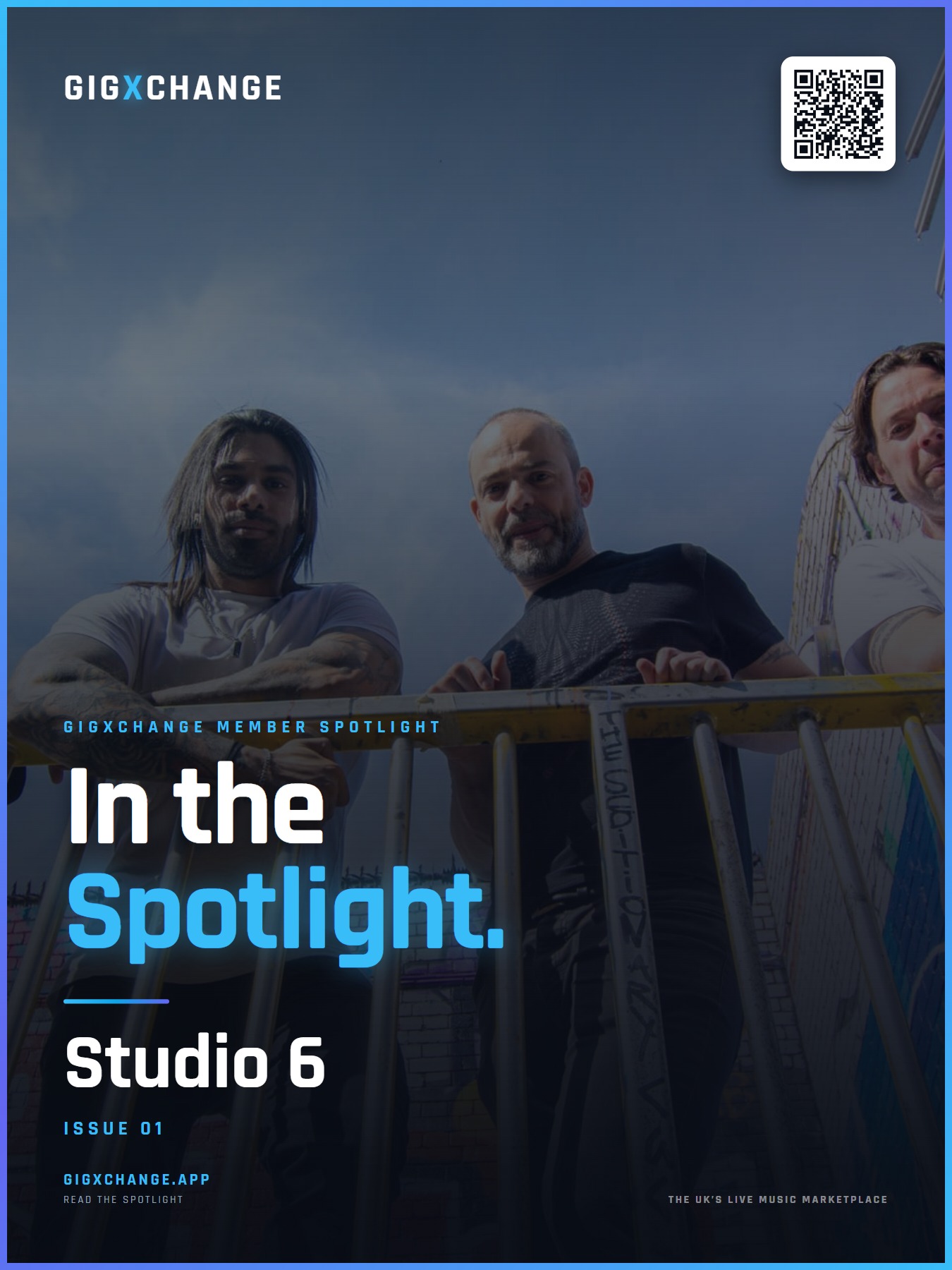
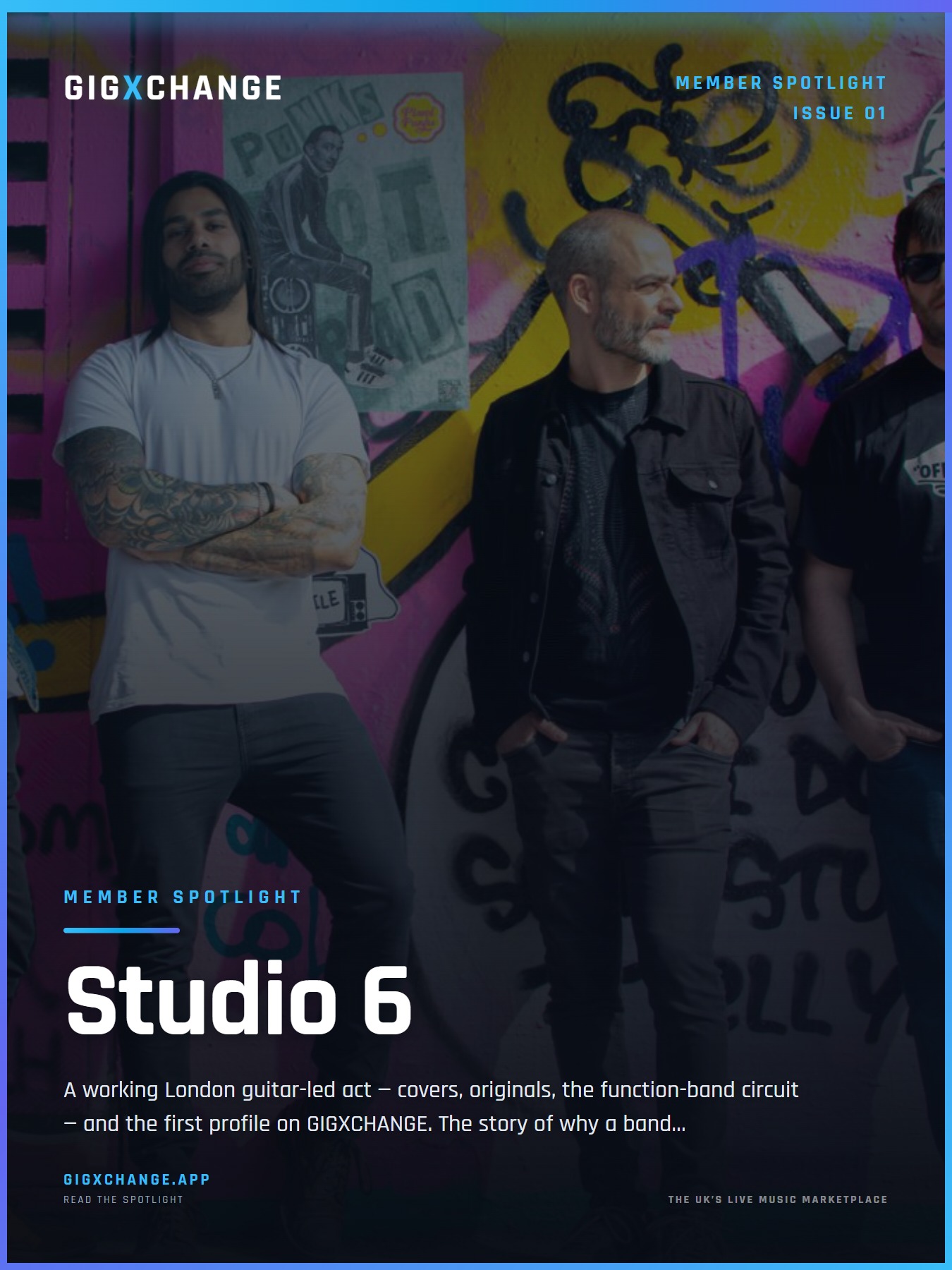
A working London guitar-led act — covers, originals, the function-band circuit — and the first profile on GIGXCHANGE. The story of why a band built the booking platform it wished existed.
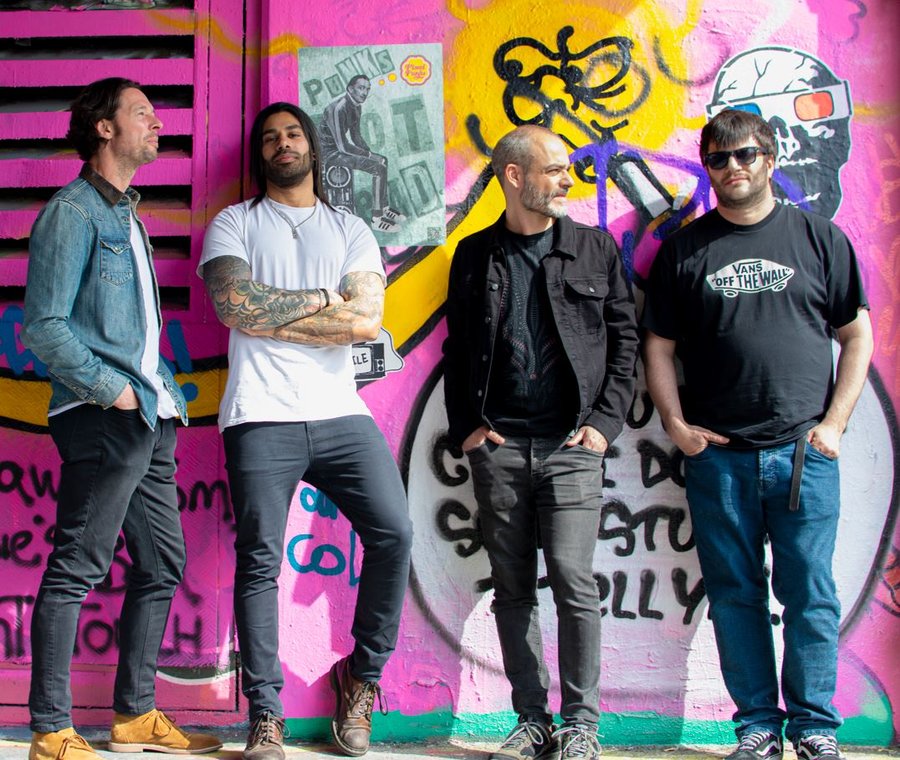
Studio 6 is a London-based, guitar-led live act on stages since 2009 — covers, originals, writing and producing. The band lives somewhere between a pub-band singalong and a…








Last updated: 24 July 2026
At a glance
Bio, key details, links and a peek at the act — before we get into it.
Studio 6 is a London-based, guitar-led live act on stages since 2009 — covers, originals, writing and producing. The band lives somewhere between a pub-band singalong and a function-band groove, with a small originals catalogue that earns a slot in every set the room will have it. Best on rooms of 80–250.
The origin
How the act came together.
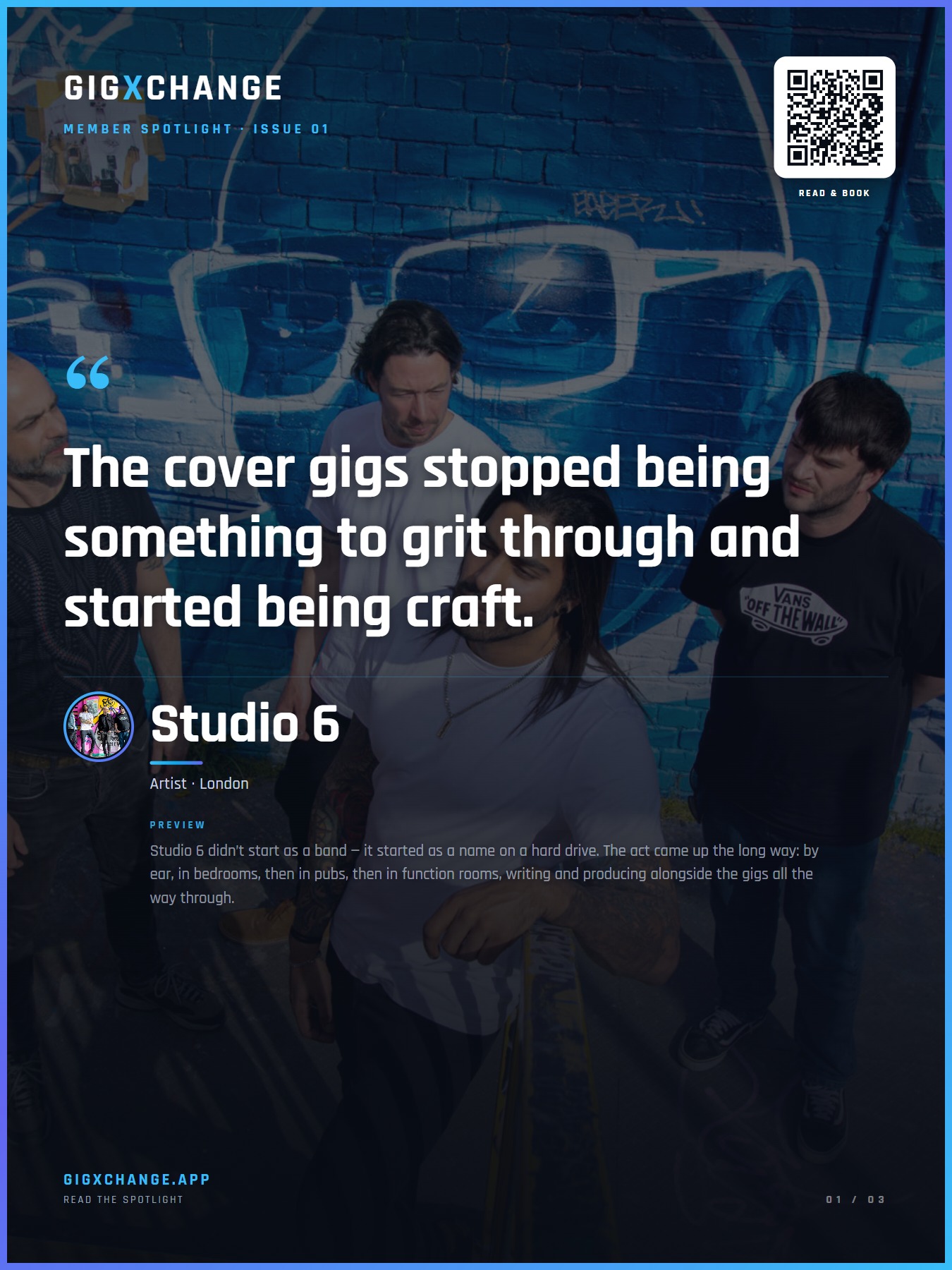
Studio 6 didn’t start as a band — it started as a name on a hard drive. The act came up the long way: by ear, in bedrooms, then in pubs, then in function rooms, writing and producing alongside the gigs all the way through. A decade and a half of every kind of room a UK live act can be paid to play, in every kind of weather a UK Friday night will throw at one.
The apprenticeship
“The first ten years were the apprenticeship,” the band says. “Cover gigs in pubs that paid in pints. Function gigs where you learn 60 songs in a week. The odd original night where three people clap. You stop pretending you’re too good for any of it pretty quickly — and once you stop pretending, you start getting better.”
What changed wasn’t the playing — that was always there. What changed was the relationship to the work. The cover gigs stopped being something to grit through and started being craft. The function sets stopped being a payday and started being a study in pacing. The originals stopped being precious and started being part of the same conversation. Somewhere in there, the project became a band, and the band became Studio 6.
The cover gigs stopped being something to grit through and started being craft.From hard-drive to working diary
The recording side ran in parallel the whole time — never as a separate identity, just as the workshop where setlist ideas got tested, arrangements got pulled apart, and the originals catalogue grew from one or two stubborn songs into a small body of work that could earn its place in any room.
Studio 6 is the project that came out the other side. A working live act that takes covers seriously, writes its own material, and treats the booking side as a craft of its own — because if there’s one thing fifteen years of pub stages teach a band, it’s that the chase is half the job.
The sound
What you’re actually getting if you book the act.
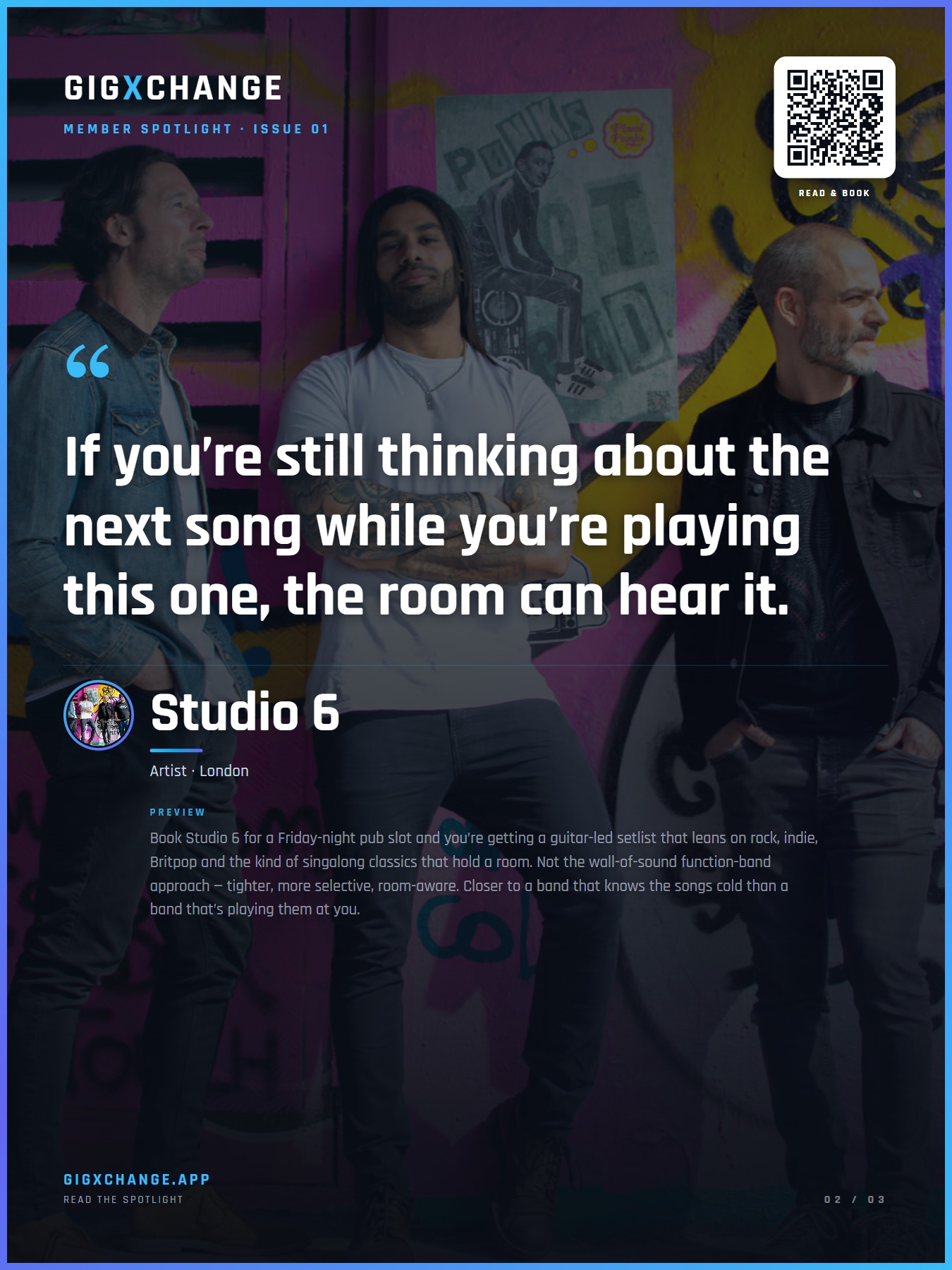
Book Studio 6 for a Friday-night pub slot and you’re getting a guitar-led setlist that leans on rock, indie, Britpop and the kind of singalong classics that hold a room. Not the wall-of-sound function-band approach — tighter, more selective, room-aware. Closer to a band that knows the songs cold than a band that’s playing them at you.
Reading the room
“The job in a pub is reading the room and steering it,” says the band. “Three songs to warm them up, six to lock them in, then you stop second-guessing and just play the thing. If you’re still thinking about the next song while you’re playing this one, the room can hear it.”
That instinct cuts both ways — Studio 6 will pull a planned closer if the room’s wrong for it, and will stretch a singalong by a verse if it’s landing. The setlist isn’t fixed; the principles are. Energy without aggression. Volume that suits the room rather than fights it. A second set that climbs rather than coasts.
If you’re still thinking about the next song while you’re playing this one, the room can hear it.Originals alongside the covers, not underneath
The originals catalogue sits next to the covers rather than under them — one or two slipped into a set, never the centrepiece unless the room asks for it. “If they’re paying for covers, they get covers. The originals are a bonus, not a bait-and-switch. We’ve had more than one venue book us back specifically because of an original that landed — but it landed because we’d earned the room first.”
The setup scales with the booking: solo for tighter rooms and acoustic-led nights, expandable to a 3-piece for full-band energy where the stage and the budget can carry it. Same setlist DNA either way, same principles — just more or less space in the mix depending on the room.
Where to see Studio 6
London base. Open to travel for the right room.
The diary runs hot from late spring through to autumn — weddings and corporate work weighting the weekends, pub residencies plugging the Fridays, and the occasional festival side-stage when the booking lines up.
Travel radius
Studio 6 will travel for the right room: London is base, but Surrey, Kent, Sussex, Hampshire and Bedfordshire are all within the working radius. Anything further than that is on a case-by-case basis — and usually involves a corporate brief, an overnight, and a written agreement that covers the travel.
What you’re looking at below
The next ninety days — live diary synced from the Studio 6 profile, refreshed each time a booking is confirmed. Empty slots are open and quotable; held slots are pencilled but not yet contracted. Click through to enquire about any specific date, or scroll the formats grid below for the four kinds of room Studio 6 plays best.
The four kinds of room Studio 6 plays
Pubs and bars are the bread and butter — weekend slots, two 45-minute sets, the standard London live music format. Functions and private events (weddings, birthdays, corporate) push the setlist tighter and the dance-floor focus harder; the booking guide for venues covers the operational side. Open-mic nights are still part of the rota — partly to test new material, partly because the UK open-mic scene is where most working acts learn to read a room. And the occasional regional festival side-stage rounds out the year — usually the sort that book direct rather than through agencies.
Live dates synced from the Studio 6 profile — enquire about an open date.
Booking & rates
How to get a quote, and roughly what to expect.
Live ranges from the Studio 6 profile. Cross-check against the GX Index for London-wide percentiles.
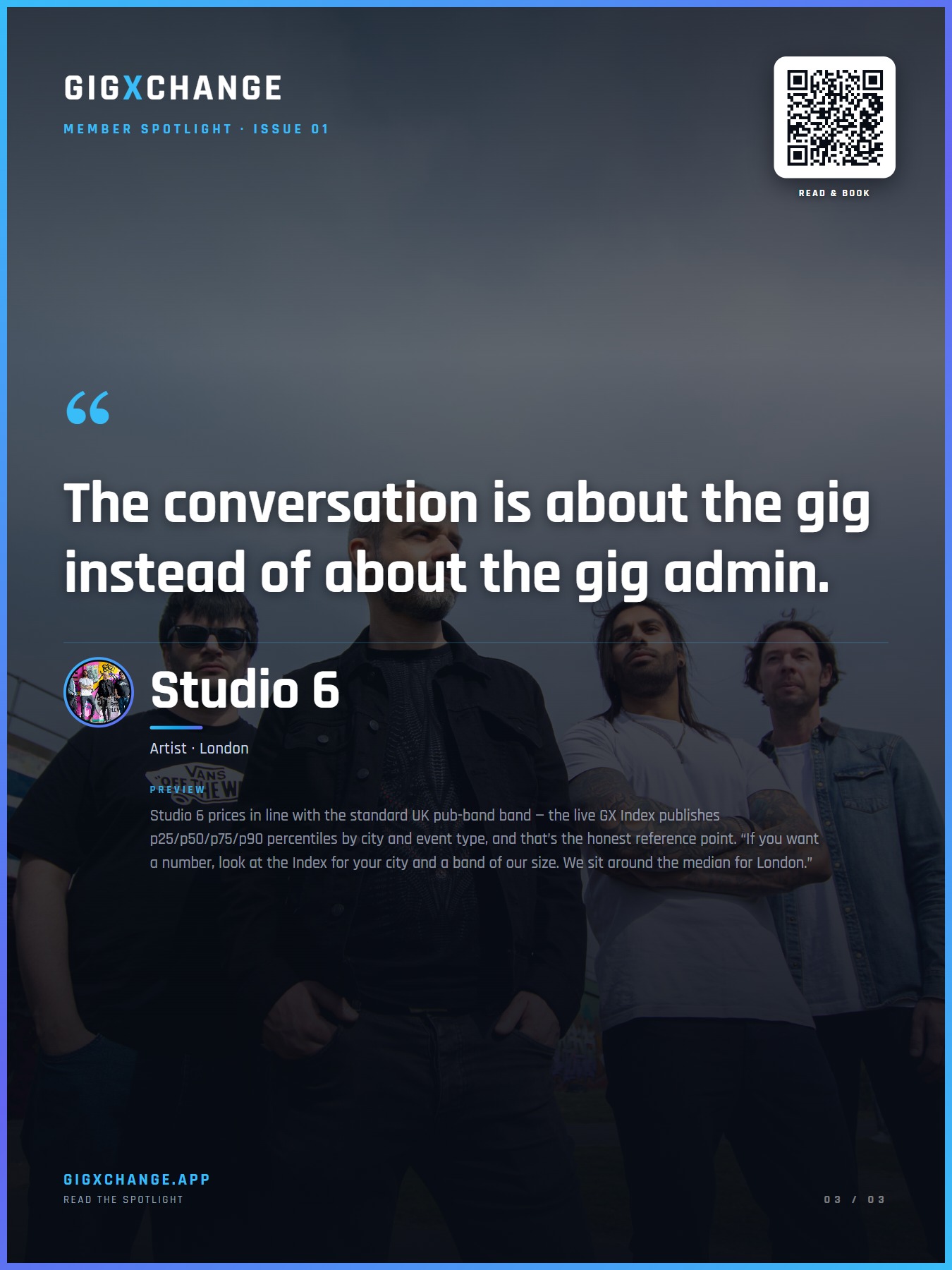
Studio 6 prices in line with the standard UK pub-band band — the live GX Index publishes p25/p50/p75/p90 percentiles by city and event type, and that’s the honest reference point. “If you want a number, look at the Index for your city and a band of our size. We sit around the median for London.”
What the ranges actually cover
The cards above are the working ranges Studio 6 quotes from. Pub and bar bookings cover the standard two-set Friday-Saturday format. Wedding and private bookings carry the PA, the longer running time and the additional load-in/stay; corporate sits a notch above for the production overhead, the timing windows and the branded set options. Every quote is itemised — what you’re paying for, why, and what changes if the brief shifts.
No surprises, no haggling games, no ‘mate’s rate’ that turns out to be a market rate with extra steps. The reference point is always the GX Index; the negotiation is about the brief, not the number.
How the booking actually flows
To book, message direct via the Studio 6 profile on GigXchange. Deposit is held in escrow by the platform, contract is auto-generated, the balance clears via Stripe once the gig’s done. No invoices to chase, no bank-transfer balance to nag about, no awkward end-of-night cash exchange in front of the bar staff.
The conversation is about the gig instead of about the gig admin.“The whole reason we backed this platform from day one was so we never have to chase a venue for a bank-transfer balance again,” says the band. “Honestly — that. The deposit-in-escrow model alone has changed how the booking conversation feels. Both sides know the money’s safe, both sides know the contract’s real.”
Or post an open date and let acts apply
Venues and promoters can also work the other way around: browse the profile directory, post an open date, and let acts apply. Same workflow either side, same protections, same audit trail. Three taps from finding the act to a signed contract is the bar — and on most bookings, it’s genuinely that fast.
Quick-fire Q&A
Six honest answers from a working artist.
First gig you ever played — what was it?
School hall, 2010. Two cover songs, a borrowed amp that wouldn’t stop humming, and a friend on the side of stage filming on his Nokia. I forgot the second verse of ‘Wonderwall’ in front of 80 classmates and just kept strumming until the chorus came round again. Got more applause than I deserved. That ten-minute set is the reason I’m still doing this fifteen years later — you don’t forget the moment a room sings a chorus back at you.
One song that always works in a UK pub?
Anything Oasis. You can fight that, or you can make peace with it. If I’m honest the song that genuinely never misses is ‘Don’t Look Back in Anger’ — key of C, everyone knows the lyrics, the bridge gives the room a chance to take a breath, and the second chorus gets every phone in the air. If I had to pick one for a wedding instead, it’s ‘Mr Brightside’. Different audience, same maths.
Worst booking advice you’ve ever been given?
“Just play for exposure — the right people will be in the room.” The right people pay. Exposure is what venues offer when they don’t want to budget for entertainment, and it’s the single biggest reason new acts burn out. The honest version is: a fair fee, a written agreement, a deposit, and a venue that can tell you who their crowd actually is. Anything else is a favour you’re doing them, dressed up as a favour they’re doing you.
What are you scouting for in 2026?
Two things. First, two more weeknight residencies in South-East London — somewhere I can show up every other Wednesday, build a regular crowd, and test new material in front of the same faces. Second, the right corporate-event agency to partner with for summer — the season is back to where it was pre-2020 but the supply of decent function bands hasn’t caught up. If you’re running events of 80–250, get in touch.
Why build the platform yourself?
Because every other “solution” was either a directory that didn’t do bookings, or an agency that took 15–30% of the fee and still made you negotiate over WhatsApp. I wanted both halves — discovery and the actual booking workflow — in one place, without anyone taking a cut of what you negotiated. The selfish version: I built the tool I wanted as a working musician. The less-selfish version: every UK musician I know wanted the same tool.
One thing every venue should know but most don’t?
Acts can tell within thirty seconds whether a room is run well. It’s the small things — a private message confirming the start time, a parking space that isn’t a coin-flip, a sound check that doesn’t cut into the load-in window, and someone behind the bar who knows we’re booked. Venues that get those four right have a queue of acts wanting to play. Venues that get them wrong are stuck on the same three covers bands they’ve been booking since 2018.
Find Studio 6 on GIGXCHANGE
Book direct, no middleman, contract and payment built in.
The artist profile
Photos, audio, video, availability, rates — everything you need to send an enquiry. Reply usually within 24 hours.
London live music
Where Studio 6 mostly plays — browse other London acts, venues and gigs in the directory.
The GX Index
Live UK gig rate percentiles by city, band size and event type — the reference Studio 6 prices against.
Book Studio 6
Everything in this issue comes from their live GigXchange profile — so what you read is what you can book.
Studio 6 is a artist based in London on GigXchange, the UK’s peer-to-peer live music marketplace. Enquire direct from their profile — no agency sits in the middle and no commission comes off the fee. Every booking generates a digital contract, and deposits are held securely until the gig is done.
Not sure what to offer? The GX Index publishes real UK fee percentiles by city, band size and event type, and the rate calculator turns them into a number you can put in an email. New to booking live music? How it works walks the whole journey.
Book Studio 6
View the full profile, or download this spotlight issue.
More from the series
One spotlight a fortnight — new editorials drop on the hub.





Use this on your EPK, socials, outreach
Studio 6 is a featured GigXchange Spotlight member. Drop the badge into your electronic press kit, link-in-bio, email signature, or cold-pitch deck — a portable signal that you’ve been editorially profiled on the UK’s peer-to-peer live music marketplace.
Want a spotlight of your own?
Sign up, complete your profile, and email founder@gigxchange.app. Members only — no fee, no paid placement.